
Florida Asset Protection, Offshore Trust, Cook Islands Trust, and Adoption Attorneys
We help protect what you’ve earned.
For over 30 years, Alper Law has helped clients nationwide with asset protection planning, offshore trusts, and Cook Islands trusts.
Asset protection isn’t just one of our practice areas—it’s what we’re known for.
or call (407) 444-0404









About Our Firm
Based in central Florida, Alper Law is one of the nation’s oldest law firms specializing in asset protection planning and implementation.
We structure personal and business property to safeguard them against judgments and creditors.
Our strategies are built on decades of experience and tested through real-world results.
Decades of Experience
Our attorneys are nationally recognized as leaders in asset protection and offshore trust formation.
Individualized Attention
You will work directly with Jon Alper or Gideon Alper. We do not delegate work to junior associates.
Virtual Services
All services are available remotely. Consultations can be scheduled by phone and Zoom.
Flat Fees
Most services are priced as flat fees. You know how much you will pay in advance.
Our Attorneys
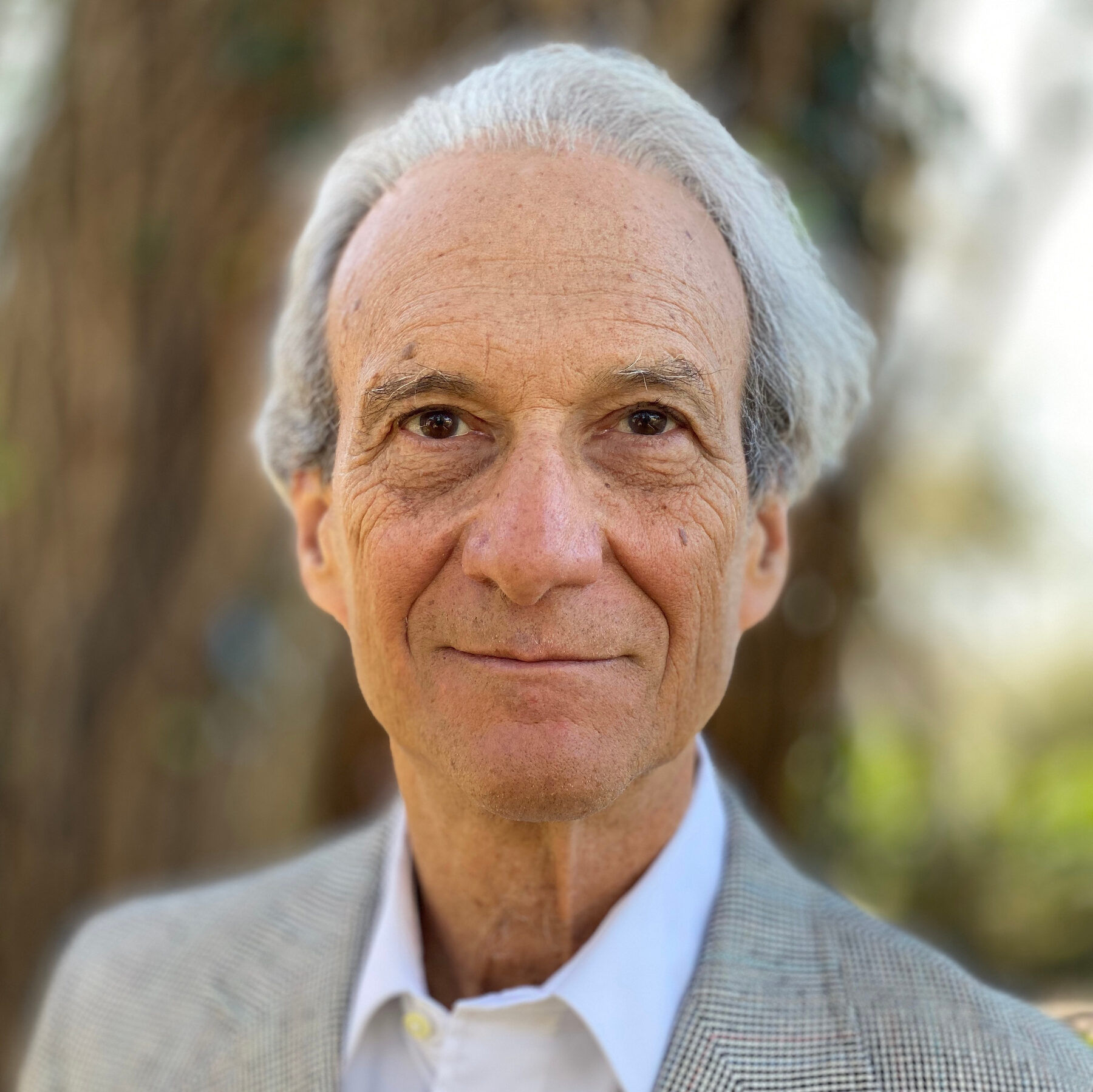
Jon Alper
Jon Alper has been practicing law for over 50 years. He has been recognized by fellow attorneys and national media as one of the leading experts in asset protection law. Jon has been publishing legal articles about asset protection for over twenty years.
Jon has been quoted as a legal expert in asset protection law by major news publications, including by Fox Business, Yahoo Finance, the New York Times, Christian Science Monitor, and the Wall Street Journal. He received his law degree with honors from the University of Florida and holds a master’s degree from Harvard University.
Jon’s involvement in the seminal case of BankFirst v. UBS Paine Webber, Inc. helped lead to Florida asset protection planning as we know today.

Gideon Alper
Gideon Alper is a national expert in asset protection law and planning. He specializes in asset protection law for individuals and small businesses. He has advised clients in asset protection and offshore trust law for over 15 years.
Prior to private practice, Gideon worked for the IRS Office of Chief Counsel in the Large Business and International Division. He advised IRS agents and represented the federal government in complex international tax and deduction matters.
Gideon graduated with honors from Emory University School of Law. He has been routinely quoted as a legal expert in asset protection law by major news outlets, including by the U.S. News and World Report, Daily Business Review, Nasdaq, AOL, MSN, and Yahoo Finance.
Gideon also provides services in real estate transfers and family adoptions.
Legal Services
Our attorneys help people with asset protection throughout the state of Florida. Offshore trusts services are provided nationwide. All services can be provided remotely through phone and Zoom.

Asset Protection
We specialize in Florida asset protection planning, bank account protection, creditor exemptions, and Florida homestead law.
Gideon Alper and Jon Alper are nationally recognized experts in asset protection planning. They have published hundreds of articles about asset protection strategies. They have helped thousands of clients protect their assets from creditors.

Estate Planning
We help clients create a living trust or last will and testament as part of your overall estate plan.
Alper Law has been recognized as experts in estate planning with over 40 years of experience in the field. They have helped hundreds of clients set up their estate plans.

Deeds
We assist in transfering property using a quitclaim deed or lady bird deed.
Attorney Gideon Alper has extensive experience in drafting deeds for clients. He has helped hundreds of clients transfer property with quitclaim and lady bird deeds.

Cook Islands Trusts
Our attorneys specialize in Cook Islands trusts. We assist clients who require the most effective strategies to protect their assets from creditors.
Our partnerships with Cook Islands trust companies give our clients access to discounted rates and services.

Offshore Trusts
Our attorneys are nationally recognized as experts in offshore trust formation.
Gideon Alper and Jon Alper travel internationally and have built a network of global partners to help their clients with offshore trusts.

Adoption
Alper Law helps clients with stepparent adoption, adult adoption, and kinship adoption.
Attorney Gideon Alper has helped hundreds of families throughout Florida with adoptions. He has been quoted as an expert by media publications.
Reviews from Our Clients
Prospective clients may not obtain the same or similar results.